What Farmer’s Market Bag Rules Tell You About Who’s Shopping There
You’re standing at the entrance to a bustling farmer’s market, arms full of fresh produce you haven’t paid for yet, when a vendor calls out that you can’t use your own bag. Or maybe they’re offering you a discount for bringing one. Or they’re looking at you confused because obviously you brought something to carry your purchases. The bag policy at any farmer’s market isn’t random. It’s a window into who that market serves and what they value.
Here’s what to pack before you shop, and what those rules reveal about the market you’re visiting.
Beach Town Markets: Vendor Totes Required
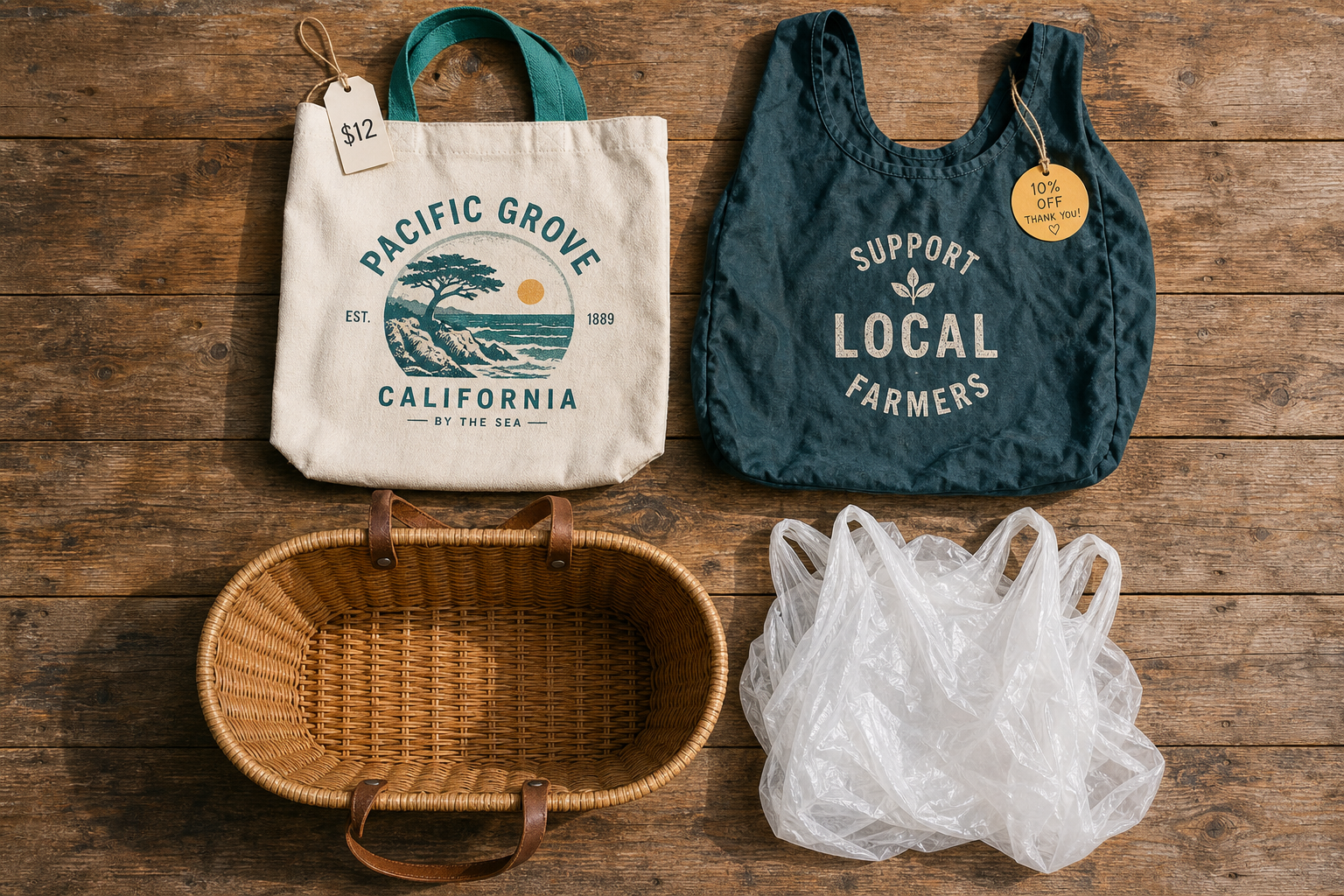
Walk into a farmer’s market in a popular beach town or cruise port, and you’ll quickly notice signs prohibiting outside bags. Vendors will direct you to purchase their branded canvas totes, reusable shopping bags with the market logo, or even paper bags at the checkout.
This isn’t about food safety or theft prevention. It’s about revenue extraction from a captive, transient audience.
Tourist markets know their customers are there once, maybe twice during a week-long vacation. There’s no relationship to nurture, no repeat business to encourage. Every transaction needs to maximize profit because that visitor won’t be back next Saturday. The bag policy creates an additional purchase point, and those $8-15 totes add up quickly when hundreds of tourists cycle through each weekend.
Single-use packaging also drives profits here. Pre-bagged items, individual portions, and ready-to-eat packaging all command premium prices while making outside bags unnecessary. The market isn’t serving locals doing weekly grocery runs. It’s serving vacationers buying strawberries for the beach or a single heirloom tomato for tonight’s rental house dinner.
What to pack: Budget an extra $10-20 for market bags, or plan to carry items in your hands and transfer them to your day bag once outside the market area.
Neighborhood Markets: Reusable Bags Welcome, Discounts Available
Local neighborhood markets tell a completely different story. Many actively encourage reusable bags, offering vendor discounts ranging from 25 cents to a dollar per transaction when you bring your own.
These markets depend on community loyalty. The same faces show up week after week, building relationships with specific vendors, learning what’s in season, getting tips on how to prepare unfamiliar vegetables. A farmer who sees you every Saturday for six months cares more about keeping you as a customer than squeezing an extra few dollars from today’s sale.
The bag discount serves multiple purposes. It reduces the vendor’s costs for providing bags. It signals environmental values that resonate with the local community. Most importantly, it rewards the behavior the market wants: regular customers who integrate the market into their weekly routine.
You’ll also notice vendors at these markets are more flexible. Forgot your bag? No problem, they’ll find you a box or let you use one of their reusables without charge. The relationship matters more than the transaction.
What to pack: Your favorite reusable shopping bags, preferably sturdy canvas or reinforced totes that can handle the weight of root vegetables and preserve jars. Ask about discounts at your first vendor stop.
European City Markets: No Bags Provided, Bring Your Basket
Many European city markets take a third approach entirely. They simply don’t provide bags. At all.
This isn’t vendor policy. It’s cultural expectation. Waste reduction is assumed to be the shopper’s responsibility, not something markets need to manage or incentivize. If you show up without a bag or basket, you’ll figure it out quickly when vendors hand you loose produce with a shrug.
You’ll see locals arriving with proper shopping baskets, sturdy bags, even wheeled carts for larger hauls. The market assumes you’re a competent adult who planned ahead for the obvious fact that purchased items need to be carried home.
This approach works because these markets serve populations where market shopping is normal, not a tourist activity. The infrastructure supports it. People walk or bike to markets. They live close enough to carry fresh food home without a car trunk as backup.
What to pack: A collapsible basket or sturdy reusable bag is non-negotiable. Consider a small wheeled cart if you’re staying in one place long enough to justify it, or a backpack-style market bag that distributes weight better than hand-carried totes.
Asian Morning Markets: Plastic Bags Freely Distributed
Visit a traditional morning market in much of Asia, and you’ll encounter the opposite extreme. Vendors hand out thin plastic bags freely, often double-bagging items, providing separate small bags for different purchases even from the same stall.
This isn’t environmental carelessness. It’s service competition.
These markets operate on thin margins with intense vendor competition. Convenience drives customer choice when quality and price are comparable across multiple stalls selling similar items. The vendor who makes purchasing and carrying easier wins the sale. Bag cost is negligible compared to the friction of making customers manage their own packaging.
The abundance of plastic also reflects different waste management systems and cultural attitudes toward single-use items. What reads as excessive to a Western visitor is standard practice in a context where these bags are expected, reused for other purposes, and integrated into local waste streams differently.
What to pack: Nothing special for bags. Accept that you’ll accumulate multiple thin plastic bags during your visit. Bring a larger tote or daypack to consolidate them for easier carrying back to your accommodation.
Reading the Room Before You Shop
Market bag policies answer a simple question: who is this market for?
Tourist markets extract maximum value from transient visitors. Community markets reward regular customers. European markets assume cultural competence and environmental responsibility. Asian markets compete on frictionless service.
None of these approaches is inherently better or worse. They’re responses to different customer bases, economic pressures, and cultural contexts. But knowing what to expect helps you pack appropriately and avoid the awkward moment of realizing you’re the only person who didn’t bring the right bag.
Check recent visitor reviews or local travel forums before your first market visit. Look for mentions of bag policies, vendor attitudes toward outside bags, or photos showing what other shoppers are carrying. That five minutes of research means you’ll show up prepared, blend in better, and focus on the actual purpose of your visit: finding incredible local food and experiencing how communities actually shop.